

What to do if E20 petrol damages your vehicle: Your consumer rights explained
4 min read
July 21, 2026
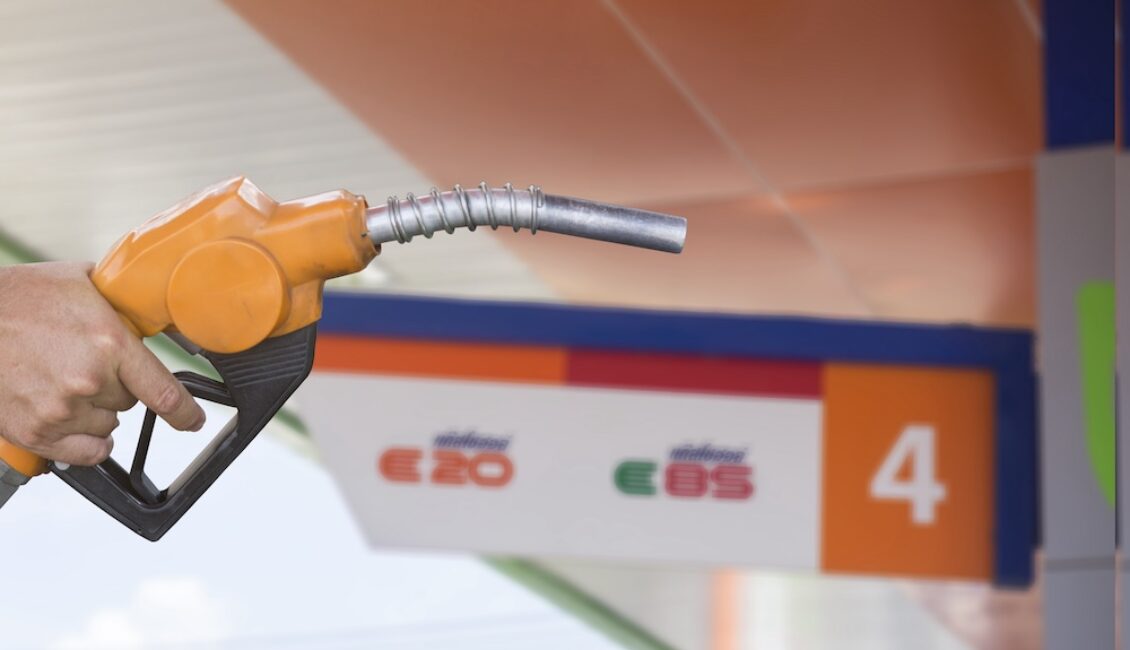
If you’ve recently filled up your car or bike and noticed rough idling, poor fuel economy or warning lights appearing on the dashboard, you might be wondering whether the move towards E20 petrol could be responsible.
For most newer vehicles, E20 petrol shouldn’t cause any problems. But if your vehicle isn’t designed to run on fuel containing up to 20% ethanol, you could experience performance issues or even damage over time. That naturally raises an important question: if E20 petrol damages your vehicle, who is responsible, and what can you do about it?
What is E20 petrol?
E20 petrol is fuel that contains 20% ethanol blended with petrol. The Government of India is introducing it to reduce oil imports and lower emissions. Many newer vehicles have been designed or updated to work safely with E20 fuel. However, not every vehicle on Indian roads is compatible. Older cars and motorcycles may be more vulnerable to issues if they’re regularly filled with higher ethanol blends. If you’re unsure whether your vehicle is E20 compatible, check your owner’s manual or contact the manufacturer before making assumptions.
Can E20 petrol damage your vehicle?
If your vehicle isn’t designed for E20 fuel, you could experience problems such as:
- Reduced fuel efficiency
- Engine knocking or rough running
- Difficulty starting
- Fuel system corrosion over time
- Damage to seals, hoses or fuel pumps
These symptoms don’t automatically mean E20 petrol is to blame. Mechanical faults, poor maintenance or contaminated fuel could also be responsible. That’s why it’s important to gather evidence before making a complaint.
Who is responsible if your vehicle is damaged?
The answer depends on what actually caused the problem. If the fuel itself was contaminated or below the required quality standards, the fuel retailer or oil company could potentially be responsible. If your vehicle was sold as E20 compatible but later develops problems because it isn’t actually suitable for E20 petrol, your vehicle manufacturer may have questions to answer.
Sometimes responsibility isn’t immediately clear. You may need an inspection to establish whether the damage was caused by the fuel, a manufacturing issue or an unrelated mechanical fault. The stronger your evidence, the easier it will be to pursue your complaint.
What evidence should you collect?
If you think E20 petrol has caused damage, try to collect as much information as possible, including:
- The fuel receipt showing where and when you filled up
- Photos of dashboard warning lights or visible damage
- Service reports or diagnostic reports from a qualified mechanic
- Copies of any repair estimates or invoices
- Details of previous servicing and maintenance
- Any communication with the petrol station, oil company or manufacturer
If other motorists report similar issues after filling up at the same fuel station, that information may also help support your complaint.
What if your manufacturer refuses a warranty claim?
One of the biggest concerns for motorists is whether repairs will still be covered under warranty. If your manufacturer rejects your warranty claim, ask for the decision in writing. You should also ask them to explain exactly why the claim has been refused.
Questions worth asking include:
- Is my vehicle officially certified for E20 fuel?
- What evidence supports the decision to reject my warranty claim?
- Was the damage caused by fuel quality, normal wear and tear or another issue?
- Can an independent inspection be carried out?
A warranty rejection isn’t always the end of the matter. If you believe the decision is unfair, you can challenge it using the manufacturer’s complaints process.
How to complain about petrol quality
If you believe poor-quality fuel has caused damage, contact the petrol station or the oil marketing company as soon as possible.
Explain:
- When you purchased the fuel
- Which fuel grade you bought
- What happened after refuelling
- What evidence you have collected
- What outcome you’re looking for, such as reimbursement for repairs
Keep copies of every email, letter and receipt throughout the process.
If your complaint isn’t resolved, ask for it to be escalated through the company’s formal complaints procedure.
What if your complaint isn’t resolved?
Depending on the circumstances, you may be able to escalate your complaint by:
- Raising it with the vehicle manufacturer if warranty issues are involved
- Contacting the relevant oil marketing company if you believe the fuel was defective
- Seeking assistance through your local consumer dispute resolution process if neither business resolves the issue
The key is to keep clear records of every step you’ve taken. A well-documented complaint is much easier to investigate. Most drivers won’t experience any problems using E20 petrol in a compatible vehicle. But if you believe your vehicle has been damaged after refuelling, don’t ignore the warning signs.
Collect evidence early, report the issue promptly and keep detailed records throughout your complaint. The sooner you act, the easier it will be to establish what happened and seek the resolution you deserve.
If you have any thoughts on this topic, or any other consumer issues you would like us to cover, feel free to get in touch with us at support@resolver.co.uk
Share this:
Resolver*
Guides, help & tips, delivered twice a month


No Comments