

Buying a new car? Five things dealers must tell you
4 min read
August 24, 2026
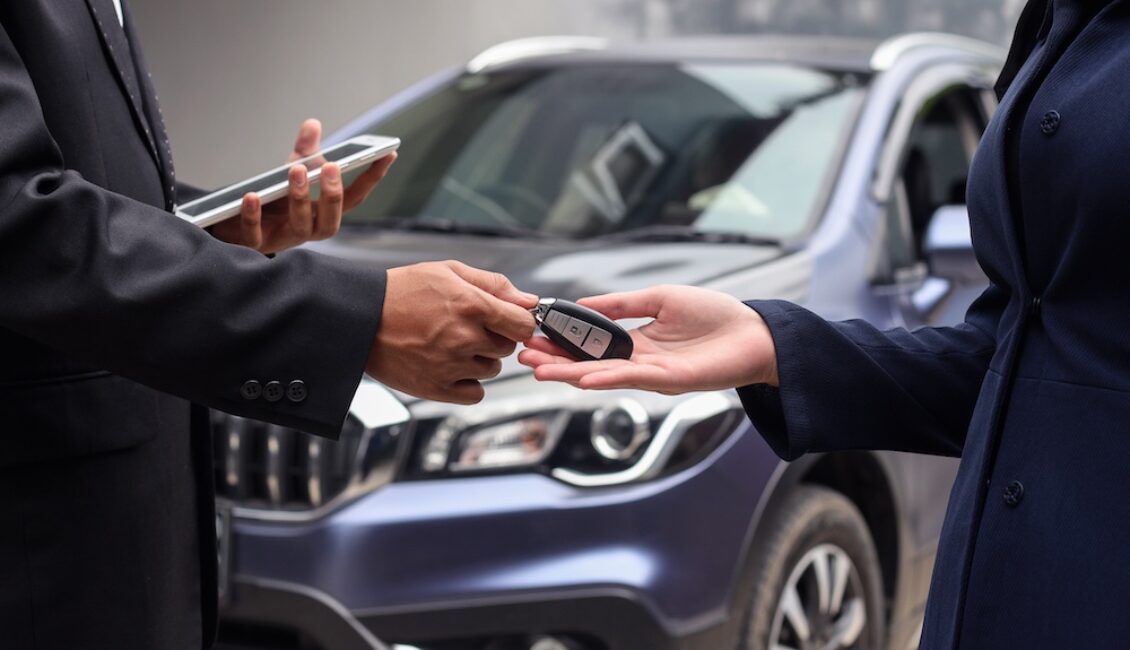
Buying a new car is one of the biggest purchases you’re likely to make. Whether you’ve spent months researching the right model or fallen in love with one in the showroom, you expect the vehicle you’re paying for to be exactly what the dealer has promised.
But a recent consumer commission ruling serves as a reminder that you shouldn’t simply take every claim at face value. A Delhi consumer commission ordered Mercedes-Benz India and a dealer to pay compensation after finding that important information about a vehicle’s purchase history had allegedly not been disclosed to the buyer.
While cases like this are uncommon, they highlight an important point, when you buy a new car, you have the right to accurate information before you sign on the dotted line.
Here’s what every dealer should tell you, and what you can do if they don’t.
1. Whether the car really is ‘new’
Most people assume that a new car has never been sold, registered or delivered to another customer. In reality, there can sometimes be more to the story. A vehicle may have been manufactured many months earlier, used as a demonstration model, transported between dealerships or previously allocated to another buyer before eventually being offered for sale again.
That doesn’t necessarily mean there’s anything wrong with the vehicle, but if information about its history could influence your decision to buy, you should be told about it.
Before you agree to the purchase, ask questions such as:
- Has this vehicle ever been registered?
- Has it previously been allocated to another customer?
- Has it been used as a demonstration or display vehicle?
- Has it undergone any repairs before delivery?
A reputable dealer should answer these questions openly.
2. If the vehicle has been repaired before delivery
Minor cosmetic repairs can happen while a vehicle is being transported or stored. If a car has required repairs before it’s handed over to you, the dealer should be transparent about what happened and the work that was carried out.
If significant repairs have been completed before delivery and you weren’t told, you may feel you didn’t receive the new vehicle you expected. If you’re unsure, ask for a written pre-delivery inspection report before collecting the car.
3. The vehicle’s manufacturing date
A car can be brand new but still have been manufactured months before you buy it. That isn’t automatically a problem, but it’s worth knowing exactly how old the vehicle is before making your decision. Ask the dealer when the vehicle was manufactured and whether a newer production model is available. If you’re comparing offers from different dealerships, this information could influence which vehicle represents the better value.
4. Exactly what’s included in the price
Buying a new car often involves more than the advertised showroom price. Before paying a deposit, ask for a written breakdown showing exactly what you’re paying for. That should include optional accessories, insurance products, extended warranties, servicing packages, registration charges and any additional fees. Understanding the full cost upfront helps you avoid unpleasant surprises later.
5. Any promises made during the sale
Sales conversations often include claims about fuel efficiency, delivery dates, free servicing, exchange bonuses or complimentary accessories. If those promises influence your decision to buy, don’t rely on a handshake. Ask for them to be confirmed in writing. Whether it’s an email, quotation or purchase agreement, written evidence is much easier to rely on if a dispute arises later.
What if you discover something after buying the car?
If you later find out that important information wasn’t disclosed before the sale, don’t ignore it. Start by contacting the dealership and explaining your concerns. Ask them to respond in writing and explain why the information wasn’t provided before you completed the purchase.
Keep copies of every email, invoice and document relating to the sale. If the issue isn’t resolved, you may also need to contact the vehicle manufacturer, particularly if the dispute relates to the condition or history of the vehicle. The more evidence you have, the easier it will be to demonstrate exactly what you were told and what you weren’t.
Protect yourself before you buy
A little preparation can prevent a much bigger problem later, before driving away, make sure you have copies of:
- The purchase agreement.
- The vehicle invoice.
- Warranty documents.
- The pre-delivery inspection report.
- Any written promises or offers made by the dealer.
Take your time reading the paperwork and don’t feel pressured into signing until you’re satisfied you’ve received the information you need.
A new car should come with complete transparency
Buying a new car should be an exciting experience, not the start of a lengthy dispute. Most dealerships are honest and transparent, but it’s still worth asking questions and getting important information in writing before you commit. The more you know before you buy, the less likely you are to face unpleasant surprises after you’ve driven your new car home.
If you have any thoughts on this topic, or any other consumer issues you would like us to cover, feel free to get in touch with us at support@resolver.co.uk.
Share this:
Resolver*
Guides, help & tips, delivered twice a month


No Comments