

Buying direct from brands? Here’s what you gain, and what you risk
6 min read
April 27, 2026
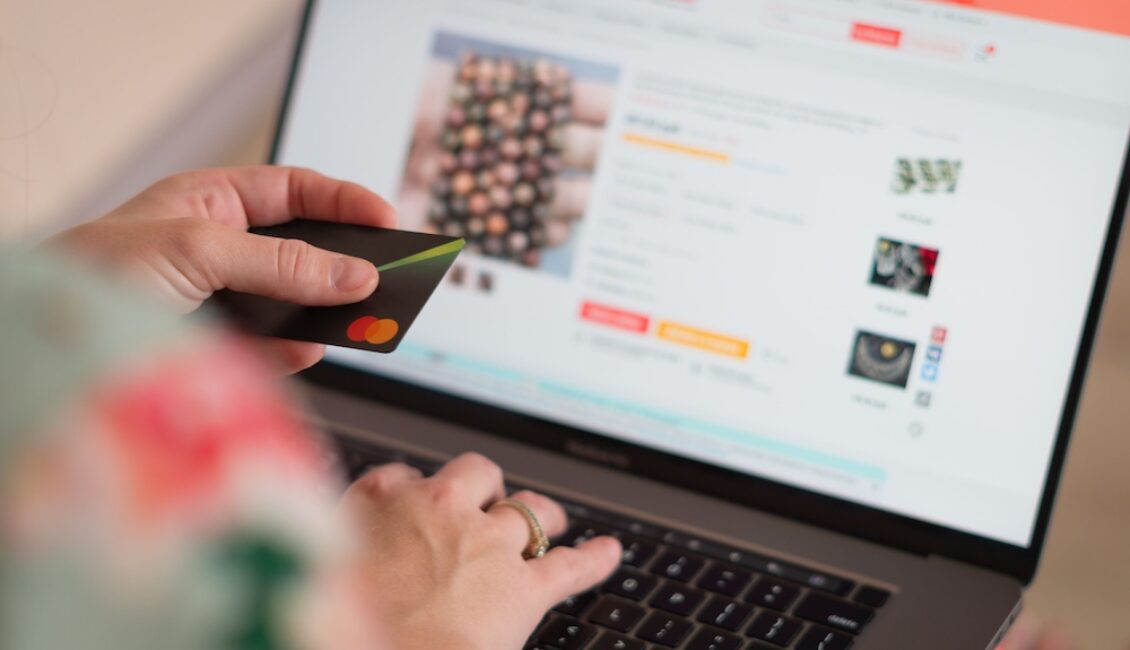
You’ve probably noticed a subtle shift in how you shop online. A few years ago, you would automatically open Amazon or Flipkart, search for what you needed, compare options, and check out. Now, more often than not, you’re being nudged somewhere else. You click on an ad, or land on a brand’s Instagram page, and before you know it, you’re browsing their own website instead of a marketplace.
It might be a vacuum cleaner brand offering a “website-only discount.” A skincare company promising exclusive bundles. A gadget brand telling you this is the only place to get the latest model.
This is the rise of direct-to-consumer platforms in India, brands cutting out marketplaces and selling straight to you. On the surface, it feels like progress. Better deals, fewer middlemen and a more “premium” experience. But when something goes wrong, the experience can feel very different.
You’re not just changing where you buy, you’re changing who’s accountable
When you buy through a marketplace, there’s a system behind you. You might not think about it, but it’s there. If a seller doesn’t respond, the platform steps in. If a refund is delayed, there are escalation routes built into the app. If things really break down, the marketplace has a reputation to protect, and that works in your favour.
When you buy directly from a brand, that safety net can disappear. You’re no longer dealing with a platform that mediates disputes. You’re dealing with the same company that took your payment, shipped your product, and now controls the complaint process.
That doesn’t mean things will go wrong, but it does mean that if they do, you’re relying entirely on how that brand chooses to handle it.
The appeal is real, and that’s why this model is growing
When brands sell directly to you, they can control pricing in ways marketplaces don’t always allow. That’s why you’ll often see slightly better deals, or bundled offers that feel more generous. You might get early access to new launches, or limited-edition products that never appear on large platforms.
There’s also a sense of trust that brands try to build. When you’re buying directly, it can feel more authentic, like you’re getting closer to the source rather than going through layers of sellers and resellers. Sometimes, that trust is justified, but trust, on its own, doesn’t resolve complaints.
The moment something goes wrong, the experience shifts
Imagine your order arrives damaged. If you had bought through a marketplace, you would probably open the app, request a return, and follow a fairly predictable flow. There’s a structure to it. You know what happens next, even if it takes time.
Now imagine the same situation on a brand’s website. You start looking for a return option. It’s not immediately obvious. You find a contact form instead. You submit a request. You wait. Maybe you get a response asking for photos. You send them. Then there’s another delay. Then a follow-up. Then silence.
At this point, the experience stops feeling like a process and starts feeling like a negotiation. And that’s where many consumers feel stuck, not because they don’t have rights, but because enforcing them suddenly feels unclear.
Your rights haven’t changed, but the effort required has
When you buy directly from a brand, you don’t lose your consumer rights. The same legal protections apply. You’re still entitled to receive what was promised. You still have the right to challenge defective products, misleading descriptions, or unfair practices.
But without a marketplace acting as an intermediary, you have to do more of the work yourself. You have to push the complaint forward. You have to identify when a response isn’t good enough. You have to decide when to escalate. In other words, you move from being a participant in a system to driving the process yourself.
Refunds are where the differences become obvious
Before you buy, it’s easy to focus on the price or the offer in front of you. What often gets overlooked is what happens after the purchase, specifically, how refunds are handled.
On marketplaces, refund processes are generally standardised. You know there’s a policy. You know there are timelines. Even if things aren’t perfect, there’s a level of predictability. With direct-to-consumer sites, that predictability can disappear.
Some brands are transparent and efficient. Others bury their policies in fine print. You might find conditions attached to refunds that weren’t obvious at checkout. You might be encouraged to accept a replacement instead of getting your money back. You might encounter delays that aren’t clearly explained.
None of this necessarily means the brand is acting unfairly, but it does mean you’re navigating a less structured environment, and that’s where frustration can build.
Extended warranties can feel reassuring, but they deserve scrutiny
If you’ve ever bought electronics or appliances directly from a brand, you’ve probably been offered an extended warranty just before checkout. It’s positioned as peace of mind. A small extra cost now to avoid bigger problems later.
And sometimes, that’s exactly what it is, but it’s also one of the easiest areas for confusion. When you buy direct, warranties are usually handled entirely by the brand. That means the same company that sold you the product is also deciding how claims are assessed and processed. The terms might sound comprehensive, but the details, what’s covered, what’s excluded, how claims are approved can vary significantly.
If you don’t take the time to understand those details, you can end up assuming you’re protected in situations where you’re not. The reassurance is real, but so is the risk of misunderstanding what you’ve actually paid for.
When support doesn’t work, escalation becomes your tool
If you reach a point where customer support isn’t resolving your issue, it can feel like you’ve run out of options. The moment you stop treating the interaction as a back-and-forth conversation and start treating it as a formal complaint, things begin to shift. Clarity becomes more important than emotion. Specific requests carry more weight than general frustration.
And when internal support fails, you’re not limited to the brand’s system. You can escalate externally. You can bring in formal complaint channels. You can move the issue into a space where the company is no longer just managing a customer, it’s responding to a potential compliance problem.
What you’re really deciding when you buy direct
It’s tempting to think you’re just choosing where to click “Buy Now.”
But in reality, you’re making a broader decision. You’re choosing how your complaint will be handled if something goes wrong. You’re choosing how easy it will be to get a refund. You’re choosing how much effort you might need to put in to resolve an issue.
Sometimes, buying direct works perfectly. The product arrives, everything is as expected, and the experience feels smoother than a marketplace. Other times, the lack of structure becomes obvious very quickly.
Control comes with responsibility
Direct-to-consumer platforms aren’t inherently better or worse, they’re simply different. They give you access to better deals, closer brand relationships, and sometimes a more tailored experience. But they also place more responsibility on you as the consumer.
You have to be more aware of policies before you buy. More deliberate in how you raise issues. More confident in escalating when needed.
If you approach it that way, you stay in control, and that’s ultimately what determines whether buying direct feels like a smart choice, or a frustrating one.
If you have any thoughts on this topic, or any other consumer issues you would like us to cover, feel free to get in touch with us at support@resolver.co.uk
Share this:
Resolver*
Guides, help & tips, delivered twice a month


No Comments