

Smart meters: You now have more control over how you pay your electricity bill
4 min read
April 20, 2026
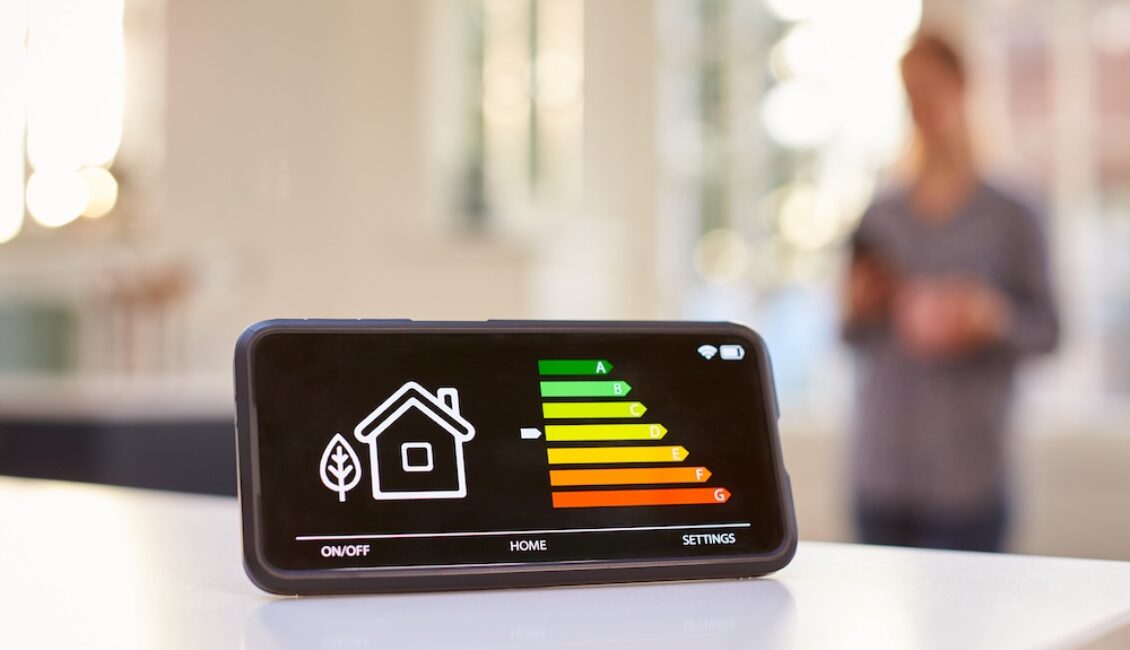
If you’ve been following the rollout of smart meters across India, you may have heard one concern come up again and again:
“Will I be forced onto prepaid electricity?”
For many households, that has been a real worry, having to top up power like a mobile recharge, dealing with sudden disconnections, or losing flexibility in how bills are paid.
That’s now changing, a recent policy update has removed the mandatory prepaid condition for smart meters. In simple terms, you now have more control over how you pay your electricity bill. You are no longer limited to a single model, and that shift could make a meaningful difference to how you manage your monthly expenses.
What’s actually changed, and why it matters
Smart meters were introduced to modernise electricity usage. They allow real-time tracking, reduce manual billing errors, and make it easier for utilities to manage supply. But in many areas, they were closely tied to prepaid billing. That meant you had to pay in advance for electricity, much like recharging a prepaid mobile plan.
Now, with the prepaid requirement removed, you are not locked into one system. You can choose how you want to pay, based on what suits your household, your income flow and your comfort level. This may sound like a small administrative change, but it’s actually a shift in control, from the provider to you.
Prepaid vs postpaid: What works better for you?
Prepaid billing gives you direct control over your usage. You pay upfront, monitor consumption in real time, and avoid large end-of-month bills. It can help with budgeting if you prefer to keep strict control over spending.
However, it also comes with risks. If your balance runs out unexpectedly, your electricity supply may be interrupted. You need to stay on top of recharges, and that can become inconvenient, especially during busy periods or emergencies.
Postpaid billing, on the other hand, is what most people are used to. You consume electricity first and pay later, usually on a monthly cycle. It offers more flexibility and avoids the risk of sudden disconnection due to low balance.
But it can also lead to bill shocks if usage isn’t tracked closely. There isn’t a universal “better” option. What matters is that you now have the ability to choose based on your situation, rather than being automatically placed into one system.
Can you switch between prepaid and postpaid?
If you already have a smart meter installed, you should be able to opt for a billing mode that works for you. The exact process will depend on your electricity provider and state regulations, but the direction is clear: consumers are not meant to be restricted to prepaid billing.
If you’re considering a switch, it’s worth contacting your provider directly and asking what options are available in your area. Keep records of your communication and request confirmation in writing wherever possible.As implementation catches up with policy, there may be some variation across regions. But the key point is that the default assumption has changed, you now have a say.
What if your provider still pushes prepaid?
Even with the policy change, you may still be told that prepaid billing is mandatory, or that switching isn’t possible. In some cases, this may be due to delays in implementation. In others, it may simply be a matter of outdated information or internal processes.
If you’re being pushed into prepaid against your preference, it’s important not to treat that as final. Start by asking for a clear explanation in writing. Refer to the updated policy and request clarification on your options. If the response isn’t satisfactory, you can escalate the issue through formal complaint channels.
The key is to document everything. When you move from informal conversations to written communication, you create accountability, and that significantly improves your chances of getting a resolution.
Why this change matters for you
At a practical level, this is about flexibility, electricity is not a discretionary expense. It’s a basic necessity, and the way you pay for it should work with your financial reality, not against it. For some households, prepaid billing may still be the preferred option. For others, postpaid offers stability and convenience. The important thing is that the decision is no longer being made for you.
More broadly, this reflects a shift in how consumer interests are being treated. Policies are beginning to recognise that convenience and control matter, not just efficiency from the provider’s side.
What you should do next
If you already have a smart meter, it’s worth taking a moment to review how you’re currently being billed. Ask yourself whether the system you’re on actually works for you. If it doesn’t, explore whether a switch is possible. Even if the process isn’t immediate, starting the conversation puts you in a stronger position.
If you’re being asked to move to prepaid, don’t assume it’s your only option. Ask questions, request clarity, and make sure you understand your rights before agreeing to anything.
If you need to push back
Issues with utilities can be frustrating, especially when information is unclear or inconsistent. But you don’t have to accept a billing setup that doesn’t work for you. If you’re unable to get a clear response,or if your request to switch is being ignored you can raise a formal complaint and escalate it through the right channels. Taking a structured approach makes it easier to get a resolution without unnecessary back-and-forth. This change is meant to benefit you and you should be able to use it.
If you have any thoughts on this topic, or any other consumer issues you would like us to cover, feel free to get in touch with us at support@resolver.co.uk
Share this:
Resolver*
Guides, help & tips, delivered twice a month


No Comments