
Car buyer wins big after discovering vehicle wasn’t as advertised: Here’s what you need to know
5 min read
August 04, 2026

Buying a new car should be exciting. After spending months researching models, comparing features and making one of the biggest purchases you’ll ever make, you expect to drive away confident you’ve made the right decision.
But what if you later discover the car you bought isn’t actually what you were promised?
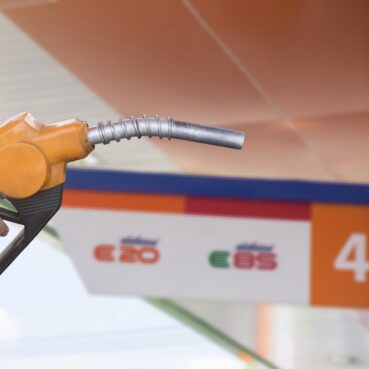
That’s the question at the centre of a recent consumer court case, where a car owner successfully argued they had been misled about their vehicle’s compatibility with E20 fuel. Rather than accepting the situation, they challenged the manufacturer, and won.
The consumer commission ordered the company to either replace the vehicle with one that met the advertised specifications or refund the purchase price, along with compensation. While every complaint is different, the decision is an important reminder that you don’t have to simply live with a product that isn’t what you paid for.
What was the dispute about?
The buyer purchased a vehicle believing it was compatible with E20 fuel, a petrol blend containing up to 20% ethanol that is becoming increasingly available across India.
After taking ownership, they discovered the vehicle wasn’t actually suitable for E20 fuel in the way they had been led to believe. The consumer argued that the vehicle had been misrepresented during the sales process and that an important feature influencing their purchase decision simply wasn’t there.
The consumer commission agreed that the buyer had not received what had been promised. Instead of ordering another repair or offering only a small amount of compensation, it ruled that the manufacturer should either replace the vehicle or refund the purchase price.
That’s a powerful outcome because it reinforces a simple principle, if you’re persuaded to buy a product because of claims that turn out to be misleading, you may be entitled to much more than a repair.
Why does E20 compatibility matter?
As India continues expanding the use of E20 petrol to reduce emissions and fuel imports, manufacturers have increasingly promoted E20 compatibility as a selling point. If you’re buying a new car today, it’s reasonable to expect that it will work with fuels that are becoming the national standard.
If that promise turns out to be inaccurate, it can affect how you use your vehicle, its long-term reliability and even its resale value and more importantly, it may have influenced your decision to buy that particular model in the first place.
What does this mean for you?
This judgment doesn’t mean you’ll automatically receive a refund every time your car develops a fault. Cars, like any complex machine, can experience problems through normal wear and tear. Some faults are repaired quickly and don’t indicate that anything went wrong during the sale.
However, your position changes if the issue goes beyond an ordinary mechanical problem. If you discover your vehicle isn’t as described, doesn’t include features that were advertised, or was sold based on misleading information, you may have grounds to make a complaint. The same applies if you’re repeatedly dealing with serious defects that the dealer or manufacturer cannot permanently fix.
The important question isn’t simply whether something has gone wrong with your car. It’s whether you actually received the product you were promised when you agreed to buy it.
Start by gathering evidence
If you think you’ve been misled, it’s worth collecting as much evidence as possible before making your complaint.
The strongest cases are usually supported by documentation showing exactly what you were told before buying the vehicle. That might include sales brochures, advertisements, emails, WhatsApp conversations with the dealership, warranty documents, invoices or vehicle specifications.
If the salesperson made important promises during conversations, write down what you remember as soon as possible while the details are still fresh. Service records and photographs of any issues can also help build a clearer picture if the dispute continues. Good records won’t guarantee a successful outcome, but they make it much easier to demonstrate why you believe the vehicle was misrepresented.
Who should you complain to?
Your first step should usually be the dealership that sold you the car. Explain the problem clearly, set out why you believe the vehicle isn’t what you were promised and tell them what outcome you’re looking for. Depending on the circumstances, that could be a repair, replacement, refund or another suitable resolution.
If the dealership doesn’t resolve the issue, you can then escalate the complaint to the manufacturer. Throughout the process, try to keep your communication in writing wherever possible. Emails and letters provide a clear record of what was said and when, which can be invaluable if your complaint later needs to be reviewed by an independent body.
When is a problem more than just a fault?
It’s easy to assume that every vehicle issue is simply a warranty problem, and sometimes it is, but sometimes the problem begins long before the first fault appears. If you were persuaded to buy a vehicle because of claims that weren’t true, or because important information was withheld, the issue isn’t just about fixing the car. It’s about whether you entered into the purchase based on misleading information.
That’s why consumer commissions don’t only consider whether a vehicle can be repaired. They also look at whether the consumer received what they reasonably expected when they handed over their money.
Don’t assume “no” is the final answer
Many consumers give up after a dealership or manufacturer rejects their complaint. Challenging a large company can feel intimidating, particularly when you’re told the issue isn’t covered or that nothing more can be done.
But, independent consumer dispute forums exist to examine the evidence and decide whether you’ve been treated fairly. As this recent case demonstrates, those bodies can and do rule in favour of consumers where the facts support their complaint.
When you buy a new car, you’re paying for much more than an engine and four wheels. You’re paying for the features you’ve been shown, the capabilities you’ve been promised and the confidence that the information you’ve been given is accurate.
If you later discover that’s not the case, you don’t have to simply accept it. By raising your concerns promptly, keeping clear records and understanding your rights, you put yourself in the strongest possible position to resolve the problem. If you believe your vehicle was misrepresented or isn’t what you were promised, Resolver can help you raise your complaint, keep track of every conversation and guide you through the escalation process if you don’t receive a satisfactory response.
If you have any thoughts on this topic, or any other consumer issues you would like us to cover, feel free to get in touch with us at support@resolver.co.uk
Share this:
Resolver*
Guides, help & tips, delivered twice a month


No Comments