

ATM took your money? One customer won ₹3.28 Lakh after a failed withdrawal
6 min read
June 18, 2026
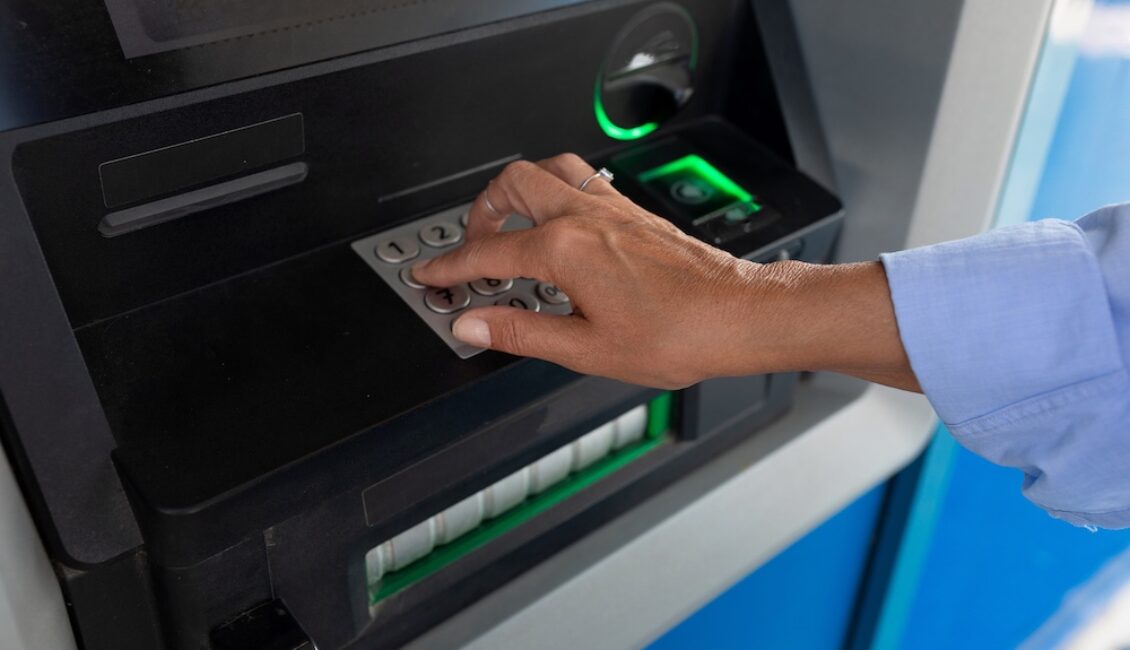
A failed ATM withdrawal can be instantly stressful. You try to withdraw cash, the money is debited from your account, but the machine does not dispense anything. In many cases, the amount is reversed automatically. But when that does not happen, a routine banking error can quickly become a serious consumer dispute.
A recent case from Surat shows how far such disputes can go.According to reports, a consumer court ordered Bank of Baroda to pay ₹3.28 lakh to a customer after a failed ATM withdrawal of ₹10,000 remained unresolved for nearly nine years. The court reportedly found that the bank had failed to reverse the disputed transaction and had not provided convincing evidence that the cash had actually been dispensed.
The case is a reminder that failed ATM transactions should not be treated as minor inconvenience. If money is debited from your account and no cash is received, your bank has clear responsibilities.
What happens when an ATM transaction fails?
A failed ATM transaction usually means your account has been debited, but the ATM has not dispensed cash or has only partly completed the transaction. This can happen because of a technical error, communication failure between banks, cash dispensing fault or network issue. The transaction may involve your own bank’s ATM or another bank’s machine, but your first point of complaint is usually the bank that issued your card.
For consumers, the key issue is simple: if you did not receive the cash, the money should be returned. Banks are expected to reconcile ATM transactions and identify failed withdrawals. In many cases, this should happen automatically. Where it does not, the consumer should raise the issue as soon as possible and keep a clear record of the complaint.
How quickly should your money be refunded?
RBI guidance says that where cash is not dispensed but the account is debited, the card issuing bank must re-credit the amount within five calendar days of the failed ATM transaction. If the bank does not do this, compensation of ₹100 per day is payable for the delay, and this compensation should be credited without the customer having to make a separate claim.
This is a crucial protection. It means that banks should not be able to leave customers waiting indefinitely while internal investigations continue.
In practice, however, many consumers still face delays. Complaints can be passed between the bank that issued the card and the bank that operated the ATM. Customer support teams may ask for repeated details, or the bank may claim that the transaction was successful without providing enough evidence.
The Surat case is striking because the disputed amount was ₹10,000, but the eventual compensation was far higher due to the long delay and the bank’s handling of the complaint.
What should you do immediately after a failed ATM withdrawal?
The first step is to preserve evidence. You should note the date, time, ATM location, transaction amount and any message displayed on the machine. If a receipt is issued, keep it. If no receipt is issued, a screenshot or note of the account debit can still help.
You should then report the issue to your card issuing bank as soon as possible. Even if the ATM belongs to another bank, your own bank is normally responsible for taking up the matter through the banking system.
It is important to make the complaint in writing, either through the bank’s app, email, website, branch complaint process or official customer care channel. A phone call may help start the process, but written proof is much stronger if the matter later needs to be escalated.
What if the bank says the transaction was successful?
Banks sometimes reject failed ATM claims after checking their records. They may say the transaction was completed or that the ATM cash balance matched the disputed withdrawal. If you believe the cash was not dispensed, you can ask the bank to provide the basis for its decision. You may request confirmation of the ATM reconciliation, transaction logs or other evidence relied upon by the bank. The consumer court in the Surat case reportedly ruled in the customer’s favour after the bank failed to provide adequate proof that the transaction had been successful.
The burden on the consumer should not be impossible. You cannot personally access ATM machine records, switch logs or reconciliation data. Banks have control over that information, which is why clear evidence and proper complaint handling matter.
When should you escalate your complaint?
If the amount is not reversed within the required timeframe, or if the bank rejects your complaint without a satisfactory explanation, escalation becomes important. Start by escalating within the bank’s own grievance redressal system. Ask for your complaint to be reviewed by the bank’s grievance officer or nodal officer, and make sure your communication includes the original complaint reference number.
If the bank does not resolve the complaint within 30 days, or if you are dissatisfied with its response, you may be able to approach the RBI Ombudsman. RBI’s Integrated Ombudsman Scheme allows complaints to be filed through the RBI’s complaint management system, but complaints may be treated as non-maintainable if the consumer has not first complained to the regulated entity or has approached the Ombudsman before 30 days have passed.
This makes the first written complaint to the bank especially important. It starts the clock and creates the evidence needed for further escalation.
Can you claim compensation?
Yes, in some circumstances. The RBI compensation rule for delayed reversal of failed ATM transactions is important because it sets a minimum expectation: if the refund is not made within the required period, ₹100 per day may become payable.
Consumer forums may also consider wider compensation where the facts justify it. This can include prolonged inconvenience, poor complaint handling, mental distress, financial loss or unreasonable delay.
The Surat case shows how a small ATM dispute can lead to a much larger award when a bank fails to resolve the matter properly. The reported ₹3.28 lakh compensation reflected not just the original ₹10,000 transaction, but years of delay and the impact on the customer.
What records should you keep?
Good records can make the difference between a complaint that is dismissed and one that is taken seriously. You should keep the bank statement showing the debit, the ATM receipt if available, complaint reference numbers, emails, app complaint screenshots, SMS alerts and any replies from the bank. If the bank rejects the complaint, keep the rejection message and ask for the evidence supporting that decision.
A clear timeline is often the strongest part of a consumer complaint. It shows when the failed transaction happened, when the bank was informed, what the bank said in response and whether the required refund deadline was missed.
A failed ATM withdrawal should not leave you out of pocket. If your account is debited and the ATM does not dispense cash, your bank should investigate promptly and refund the money within the required timeframe. If it does not, you may be entitled to compensation.
The recent Surat ruling is a warning to banks that failed ATM complaints cannot be ignored or dismissed without proper evidence. It is also a reminder to consumers that persistence, documentation and escalation can matter.
If an ATM takes your money and your bank does not resolve the issue, do not rely only on repeated customer service calls. Put your complaint in writing, track the deadline, escalate through the bank’s grievance process and, if necessary, use the RBI complaint route.
If you have any thoughts on this topic, or any other consumer issues you would like us to cover, feel free to get in touch with us at support@resolver.co.uk
Share this:
Resolver*
Guides, help & tips, delivered twice a month



No Comments