

What rising oil prices mean for your household spending
3 min read
March 20, 2026
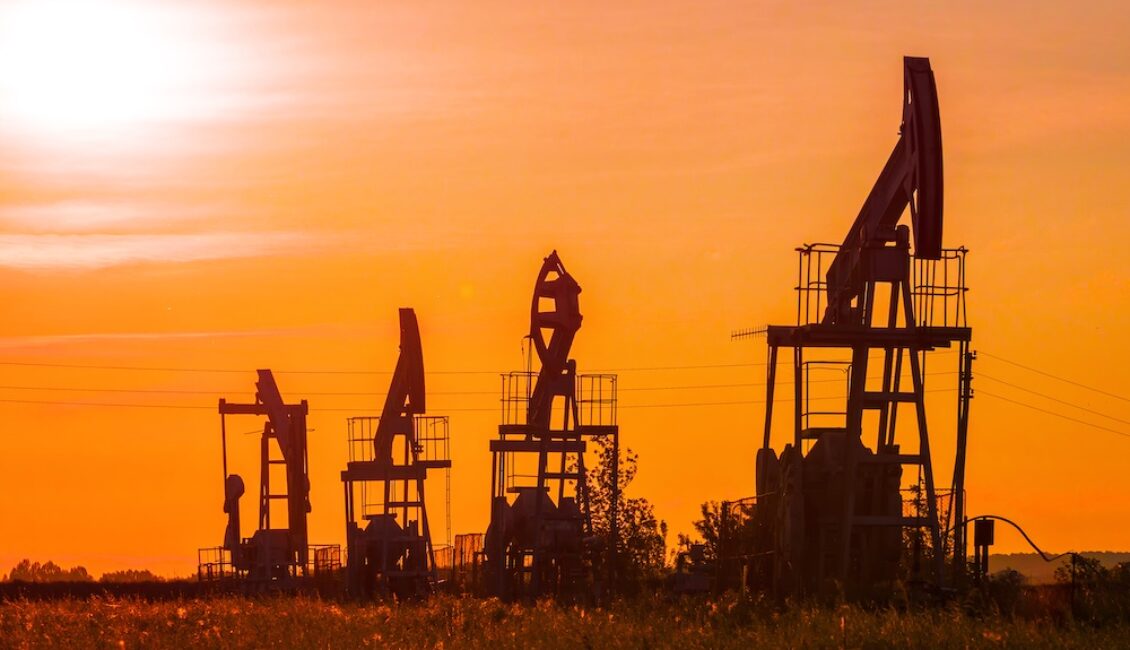
You may not follow the movements of global energy markets closely, oil prices rising, gas prices surging, tensions in the Gulf can feel like distant developments, unfolding far from your day-to-day concerns. But moments like this have a way of travelling quickly, and quietly, into your everyday life.
In the wake of fresh attacks on fuel infrastructure in the Gulf, global energy markets have reacted sharply. Oil prices have climbed to around $114 a barrel, while gas prices in some regions have jumped by as much as 35%.
At first glance, those figures might seem abstract. But they rarely stay that way for long. You are unlikely to notice a single, dramatic change overnight, instead, the impact tends to build gradually.
If you drive, you may start to see it first at the fuel pump. Prices for petrol and diesel tend to respond relatively quickly to movements in crude oil, though not always transparently, and not always at the same pace when prices fall.
Cost increases ripple through everyday prices
Transport becomes more expensive. Deliveries cost more. Businesses that rely on fuel, directly or indirectly, begin to adjust their pricing. Over time, that can feed into everything from groceries to online orders. You may not immediately connect a higher supermarket bill or delivery charge to global oil markets and because fuel plays such a visible role in everyday spending, even small increases at the pump can quickly add up over weeks and months.
You may notice fuel prices rising quickly, but falling more slowly, without much explanation. You may see energy bills change in ways that are difficult to follow, or encounter references to “market conditions” that do not fully clarify what has happened. At the same time, contracts and tariffs can begin to feel more difficult to interpret, particularly if you are approaching a renewal or considering a switch. In uncertain conditions, it becomes harder to distinguish between what is unavoidable and what should be questioned.
What you can do when your energy and fuel costs start to shift
You cannot control global events. But you can take a more active position in how those changes affect you.
- If your energy bills begin to rise, or you are notified of changes, review your current tariff, whether it is fixed or variable and how price adjustments are applied.
- Ask your provider for a clear explanation of any increase, particularly if the changes are not easy to follow.
- If you drive regularly, keep an eye on local fuel price variations. Prices can differ significantly between retailers and regions, and short-term spikes are not always applied consistently.
- Take the opportunity to reassess your current arrangements, for both energy and fuel spending, do they still work for you.
- In some cases, switching providers or adjusting usage patterns can help soften the impact.
And if something does not seem right, unclear billing, unexpected charges, or difficulty getting answers, it is worth raising the issue early, while the details are still recent and easier to resolve.
It is easy to treat developments like this as part of the background noise of global events. But these are the kinds of shifts that rarely remain distant. They move through systems, into fuel prices, into business costs, into household bills and eventually into your everyday decisions.You may not follow oil markets closely.
But you will notice where they land at the pump, on your bill, and across the cost of daily life.
If you have any thoughts on this topic, or any other consumer issues you would like us to cover, feel free to get in touch with us at support@resolver.co.uk
Share this:
Resolver*
Guides, help & tips, delivered twice a month



No Comments