

How AI is finally helping you shop smarter
6 min read
May 05, 2026
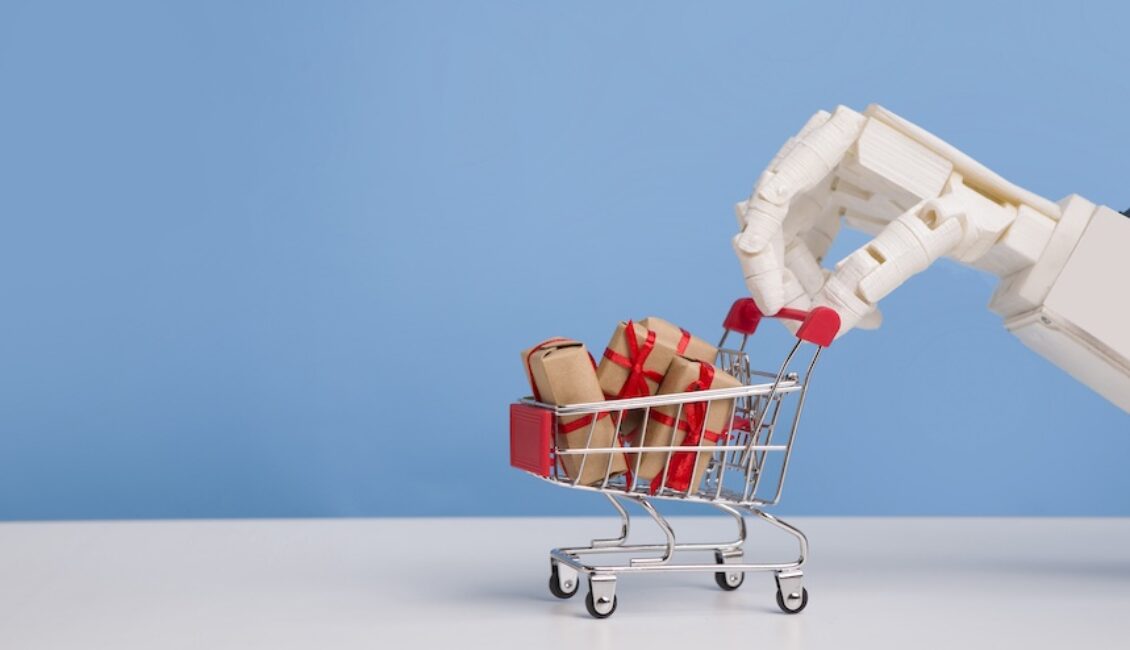
Shopping online used to feel like progress. It was faster, easier, more convenient. You could compare products, read reviews, find deals, all from your phone.
But somewhere along the way, it also became harder to trust what you were seeing, prices fluctuate constantly, discounts don’t always mean savings. Reviews feel a little off, and even after checking “all the right things”, you can still end up with a product that doesn’t live up to its promise.
Now, something is starting to shiftAmazon has launched a dedicated AI store, tapping into a surge in demand for smarter, AI-powered tools and devices. At the same time, a growing number of consumers, more than 60% are already using generative AI as part of how they shop.
For the first time, the same kind of intelligence that companies use to influence your decisions is being put back in your hands, and if you use it well, it changes everything.
You’ve been shopping on someone else’s terms
Most online shopping experiences are carefully designed environments. They’re built to guide you towards a purchase. To reduce hesitation. To create urgency. To make one option feel just slightly better than the others.
That’s why you see things like countdown timers, “limited stock” warnings, and eye-catching discounts that seem too good to ignore. It’s why the most visible products aren’t always the best ones, they’re the ones platforms want you to buy.
Even reviews, which should help you make better decisions, are no longer simple to trust. Some are incentivised, some are fake. Many are written in ways that make everything sound better than it is. So you adapt, you open more tabs, read more reviews, spend yet more time trying to feel confident in your purchase, but still, there’s that doubt: Is this actually a good deal?
AI changes the questions you ask
What AI does isn’t magic, it doesn’t replace your judgement. But it does something incredibly useful, it processes far more information than you can, far more quickly, and without being influenced by how things are presented.
So, instead of reacting to what’s in front of you, you start interrogating it. When you look at a price, you’re no longer just seeing a number, you can ask whether it’s genuinely lower than usual. AI tools can analyse price histories across platforms and tell you if that “limited-time offer” is actually worth your attention or if it’s just clever positioning.
When you scroll through reviews, you don’t have to rely on instinct alone. Patterns soon start to emerge. Repeated phrases, unnatural spikes in ratings, vague praise that doesn’t quite say anything meaningful, these are things AI can flag almost instantly. What used to take careful reading now becomes something you can assess in seconds.
And perhaps most importantly, when you’re trying to decide between options, you don’t have to rely on scattered opinions. You can ask direct questions, what’s better, what’s more reliable, what has fewer complaints and get a structured, balanced answer instead of a confusing mix of marketing and user comments.
The result is subtle but powerful and you move from feeling overwhelmed to feeling informed.
You start seeing the gap between promise and reality
One of the biggest frustrations in online shopping is the gap between what’s advertised and what you actually get.
A product promises “all-day battery life”, but struggles to last through an afternoon. A “premium” item feels average the moment you open the box. A skincare product claims natural ingredients but leaves out key details.
AI doesn’t eliminate that gap entirely, but it helps you spot it before you buy. By pulling together product specifications, user feedback, and broader context, it can highlight where claims don’t quite line up with real experiences. It doesn’t just tell you what a product says it does. It gives you a clearer sense of what it actually does for most people, the difference between buying on hope and buying with clarity.
It also helps you avoid the obvious traps
Some of the biggest losses consumers face don’t come from poor choices, they come from preventable ones. A deal that’s too cheap to be genuine. A seller with a long history of complaints. A listing that looks legitimate at first glance but doesn’t hold up under scrutiny.
These are the kinds of risks that are easy to miss when you’re moving quickly. And most of us are. We shop between tasks, during commutes, late at night. We don’t always have the time, or the patience to investigate every detail. AI acts as a second layer of attention. It can flag anomalies, highlight inconsistencies, and point out risks that wouldn’t be obvious otherwise. Not perfectly, and not every time, but often enough to make a meaningful difference, and sometimes, that’s all it takes to avoid a bad purchase.
The balance of power is starting to shift
For years, platforms and brands have had the advantage. They’ve had access to better data, better tools, and a deeper understanding of how consumers behave. They’ve known how to present information in ways that increase the likelihood of a sale, even when that information isn’t the full picture.
Now, that advantage is narrowing, when you use AI as part of your shopping process, you’re not just browsing, you’re analysing, questioning and verifying. And when enough people start doing that, the impact goes beyond individual purchases. Products that don’t deliver get called out faster. Misleading claims are harder to sustain. Companies have to compete not just on visibility, but on value. In a quiet way, that makes the entire system a little fairer.
The tools are there to use
The tools are there, but what matters is whether you change how you shop. It’s easy to fall back into habits, clicking the first result, trusting the discount, skimming the reviews just enough to feel comfortable. The path of least resistance is still the fastest one.But it’s also the one where you’re most likely to make a mistake.
Using AI doesn’t have to be complicated. It can be as simple as pausing for a moment before you buy and asking a better question. Is this really a good deal? Are these reviews trustworthy? Is there a better option I haven’t seen? That small shift, from reacting to checking, is where the real value lies.
When things still go wrong
Even the smartest shopping habits won’t protect you every time. Products arrive damaged. Orders get cancelled, refunds are delayed or denied. Customer service can be slow, unhelpful, or completely unresponsive.
That’s where knowing your rights and acting on them, matters just as much as making a good purchase. When something goes wrong, it helps you raise a complaint, reach the right people, and keep track of your case without getting lost in the process. It gives you a clear path forward when you might otherwise give up.
The environment you’re shopping in has changed, there’s more choice, more noise and more risk, but there’s also more opportunity to make better decisions. AI doesn’t make you a perfect consumer, but it can make you a more informed one and increasingly, that’s the difference between feeling confident in what you buy… and feeling like you’ve been taken for a ride.
So the next time you’re about to click “Buy Now”, take a moment, not to hesitate, but to check, because now you can.
If you have any thoughts on this topic, or any other consumer issues you would like us to cover, feel free to get in touch with us at support@resolver.co.uk
Share this:
Resolver*
Guides, help & tips, delivered twice a month


No Comments