
5 consumer rights you didn’t know changed this month
4 min read
July 29, 2026

Consumer rules don’t always make the headlines, but they can have a real impact on your day-to-day life. Whether you’re paying with UPI, buying an electric vehicle or filling up at the petrol pump, staying informed can help you save money, avoid scams and know when to stand up for your rights.
Here are five developments you should know about this month, and what they could mean for you.
1. Banks are under greater pressure to protect you from digital fraud
Digital payments have made life easier, but they’ve also created new opportunities for fraudsters. That’s why the Reserve Bank of India (RBI) is continuing to strengthen consumer protections around online banking and payment fraud.
The RBI has been consulting on measures that would improve how banks respond to unauthorised transactions and strengthen safeguards for customers affected by digital fraud. If you notice a transaction you didn’t authorise, report it to your bank immediately. The sooner you report it, the more likely you are to benefit from the protections available under RBI rules.
Don’t settle for a verbal response. Ask for a complaint reference number, keep copies of every communication and request a written explanation if your claim is rejected.
If your bank doesn’t resolve your complaint, you can escalate it through its formal complaints process and, where appropriate, take the matter to the RBI’s Integrated Ombudsman Scheme.
2. Your digital payment disputes deserve a proper investigation
UPI has transformed the way you pay, but failed or disputed transactions can still happen.
If money leaves your account but doesn’t reach the intended recipient, don’t assume it’s gone forever. Banks and payment service providers have processes for investigating these cases.
If you’re affected:
- Report the problem through your banking app or payment platform as soon as possible.
- Save screenshots of the transaction and any error messages.
- Keep your transaction reference number safe.
- Follow up in writing if you don’t receive a response.
If your provider closes your complaint without properly investigating it, ask them to explain their decision and tell you how to escalate the matter.
The more evidence you keep, the easier it will be to challenge an incorrect decision.
3. Electric vehicle buyers could benefit from new incentives
Governments across India continue to introduce and update incentives to encourage more people to switch to electric vehicles. Depending on where you live, these may include tax benefits, registration fee exemptions or purchase incentives.
Before you buy, make sure you understand exactly what has been promised. Ask your dealer:
- Which incentives apply to your purchase?
- Who is responsible for processing the paperwork?
- How long should you expect to wait?
- Will any discount be applied immediately, or will you need to claim it later?
Keep copies of brochures, advertisements and written promises. If an incentive is advertised but isn’t honoured, those documents could become important evidence if you need to complain.
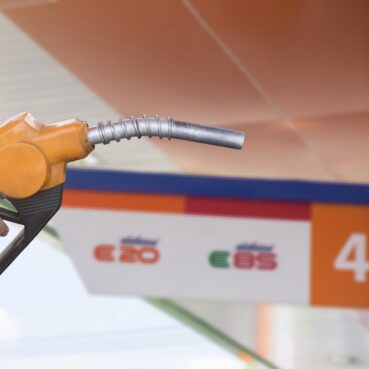
4. The move towards E20 petrol means you should check your vehicle’s compatibility
More petrol stations are supplying E20 petrol, which contains up to 20% ethanol. Many modern vehicles are designed to use it safely, but some older vehicles may not be fully compatible.
Before filling up, check your owner’s manual or ask your manufacturer whether your vehicle is approved for E20 fuel.
If you believe poor-quality fuel or fuel compatibility issues have caused damage, keep your fuel receipt, arrange for an inspection and report the problem as soon as possible. Acting quickly makes it much easier to establish what happened and pursue a complaint if necessary.
5. Scam to watch: Fake bank verification messages
Scammers continue to impersonate banks using SMS, WhatsApp messages, emails and phone calls. A common tactic is to claim that your account has been suspended, your KYC details have expired or a suspicious transaction has been detected. You’re then urged to click a link or share confidential information immediately.
Remember:
- Your bank will never ask you to share your PIN, password, OTP or CVV.
- Never install remote access apps because someone claiming to be from your bank asks you to.
- Don’t click links in unexpected messages. Instead, open your bank’s official app or visit its website directly.
- If you’re unsure whether a message is genuine, contact your bank using official contact details, not the number provided in the message.
If you think you’ve been targeted by a scam, report it to your bank immediately and change any compromised passwords without delay.
Stay informed and know your rights
Consumer protections continue to evolve as technology, transport and financial services change. Keeping up with the latest developments can help you avoid problems, and put you in a stronger position if something goes wrong.
If you ever need to complain about your bank, a payment provider, a vehicle manufacturer or another business, Resolver helps you keep all your communications in one place, track your complaint and follow the correct escalation route.
If you have any thoughts on this topic, or any other consumer issues you would like us to cover, feel free to get in touch with us at support@resolver.co.uk
Share this:
Resolver*
Guides, help & tips, delivered twice a month


No Comments